Acute & High-Acuity Care
Two years on a newly trialed trauma step-down unit, managing post-trauma recovery and high-acuity medical needs, with relief charge nurse responsibility for patient flow, staffing, and unit operations.
About
Ten years in acute care nursing — oncology, trauma step-down, and charge nursing.
Background
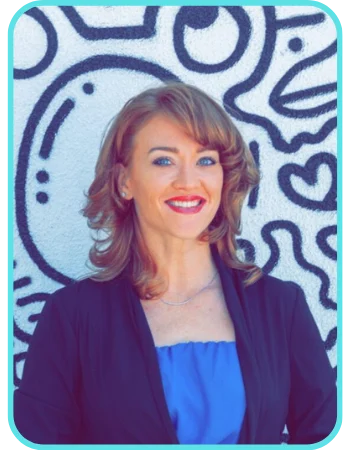
I am an Advanced Practice Registered Nurse in Las Vegas. Most of my career has been in acute care: eight years in oncology where I administered chemotherapy and sat with people through the hardest stretches of their treatment. After that I worked in a newly trialed trauma step-down unit, managing post-trauma dedicated recovery unit.
Alongside direct patient care, I serve as relief charge nurse — coordinating patient flow, assignments, staffing, and unit operations — I also have worked as a clinical instructor for BSN students at the bedside. Both are roles I appreciate. I love helping people expand to their full potential which is a fulfilling experience. It fills me with joy seeing students unlock their true capabilities. I remember my teacher helping me so many years ago and it gives me great joy to extend that experience to other students.
I am also a Certified Nurse Midwife. I completed my MSN at Frontier Nursing University and practice at Nevada’s only CABC-accredited birth center, providing prenatal, intrapartum, postpartum, and gynecologic care. The two sides of my practice inform each other more than people expect: high-acuity nursing taught me to recognize a patient turning before the numbers say so, and midwifery taught me how much of good care is explanation, consent, and time.
Approach
A decade in oncology and trauma step-down teaches you what deterioration looks like before it is obvious. Almost every time we caught something in time, it started with a change in the patient rather than a change in the monitor.
Coordinating flow, assignments, and staffing is not administrative overhead. Done well, it is what decides whether the nurse with the deteriorating patient has help standing next to them.
I have instructed BSN students and supervised midwifery students for most of my career. The useful kind of teaching gives people real responsibility with someone steady beside them.
Not a form, and not a recitation of risks at the moment a decision has to be made. Every plan I make is one the patient actually understood and actually agreed to, in language that made sense to them at the time.
Practice
Two years on a newly trialed trauma step-down unit, managing post-trauma recovery and high-acuity medical needs, with relief charge nurse responsibility for patient flow, staffing, and unit operations.
Eight years in oncology, including chemotherapy administration and monitoring for adverse reactions, and specialized care delivered within a women’s center oncology unit.
Full-scope midwifery care across the lifespan — prenatal, intrapartum, postpartum, and gynecologic — in Nevada’s only CABC-accredited birth center, with an emphasis on patient education, informed consent, and individualized care plans.
Summary